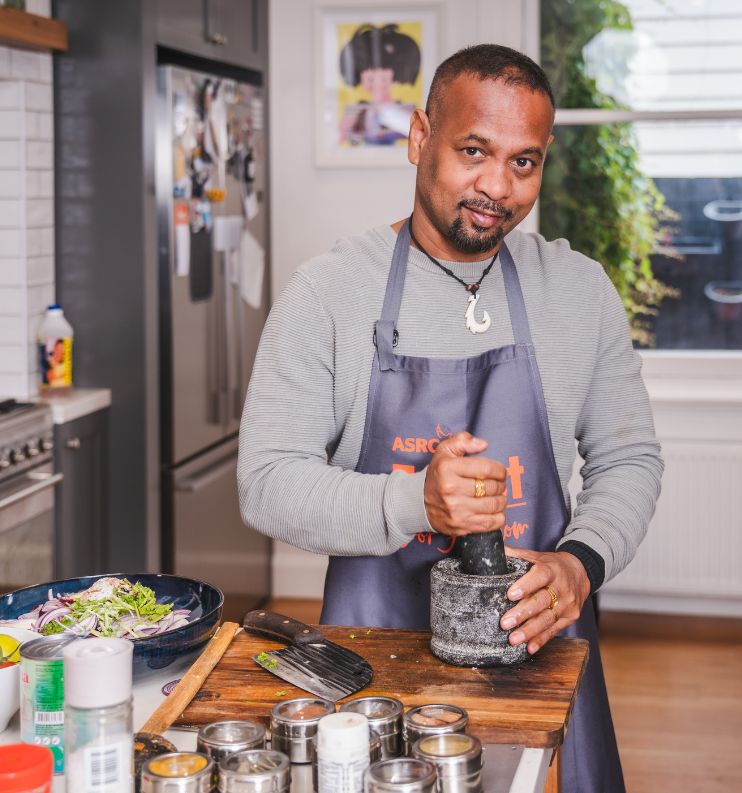
Meet Nige
When Nigethan “Nige” Sithirasegaram left Sri Lanka in 2009, he was searching for safety. Instead, he spent the next six years in Australia’s immigration detention system, held indefinitely, without knowing if or when he would be released.
Nige grew up in Trincomalee, a coastal Tamil community on Sri Lanka’s east coast. His childhood was shaped by the ocean: long open beaches, afternoons spent swimming with friends and a home filled with the sounds and smells of cooking, fishing and family life. “I ate a lot of fish,” he laughs. “Meat, only once or twice a month.” Like his father and grandfather before him, Nige became a fisherman.
He never imagined he would one day have to flee. And he never imagined he would spend years in detention, with only brief supervised opportunities to cook his own food.
But it was in that environment, a system he describes as lonely, frightening and deeply dehumanising, that something unexpected happened. He began to cook.
Missing the flavours of home, he called his wife and mother from detention, asking them to guide him through their recipes over the phone.
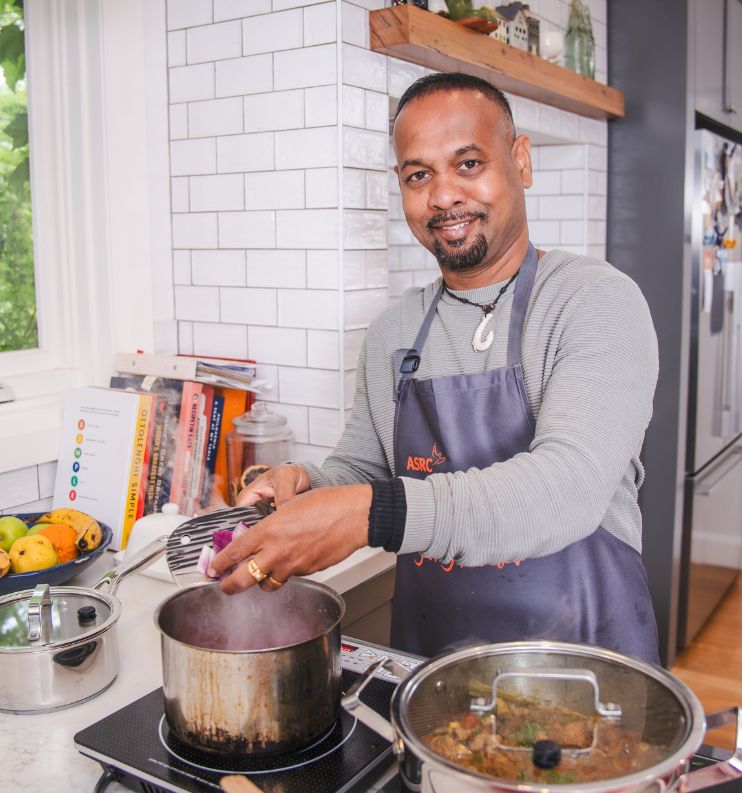
Little by little, dish by dish, he taught himself to recreate the food he loved. He shared his meals with others in detention. Officers told him his cooking made them hungry. Friends asked for recipes. Within a year, Nige had become a skilled and intuitive cook.
He was occasionally taken outside the centre to cook for community events and charities. “I learned that many Australians liked our flavours and our culture,” he says.
After his release in 2015, he continued cooking, at Tamil Feasts at CERES, at Free to Feed, at cafés, and for anyone who wanted to learn Sri Lankan Tamil cooking.
Food became the way he re-built his life. It is connection, memory, survival and joy. “When people eat my food, sometimes they say, ‘My belly is laughing.’ That makes me so proud.”
Today, Nige continues to share the flavours he once cooked in secret, in a place where he felt forgotten. “The recipes are in my blood,” he says. “The taste, the flavour, everything.” He hopes that through his cooking, Australians can better understand the journey of people seeking asylum and the strength it takes to begin again.
Nige's Recipes
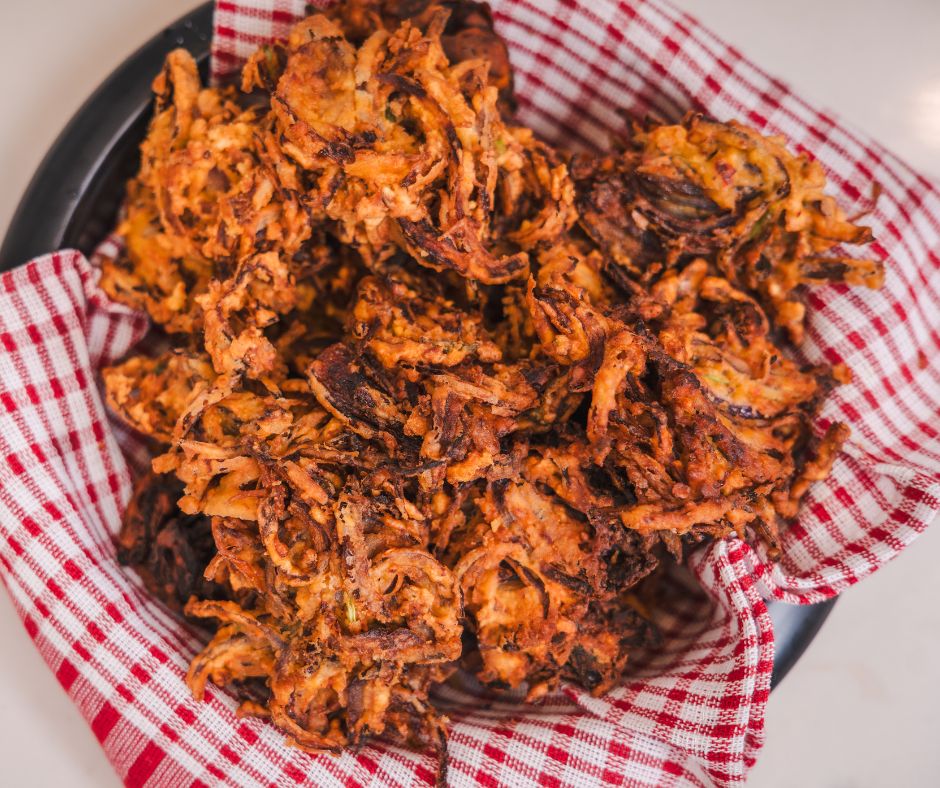
Vengaya Bajji onion bhaji
Complexity ⭐ ⭐(Medium)
Recipe
Register to discover the full recipe
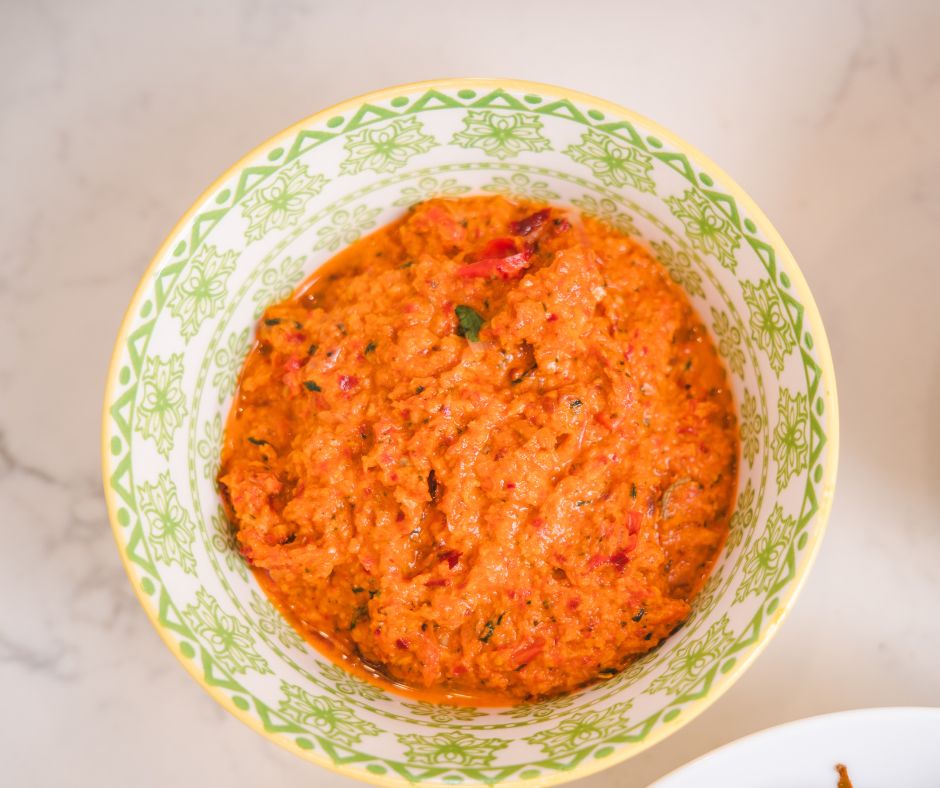
Thengai Sambal
Coconut Cambal
Complexity ⭐⭐ (Medium)
Recipe
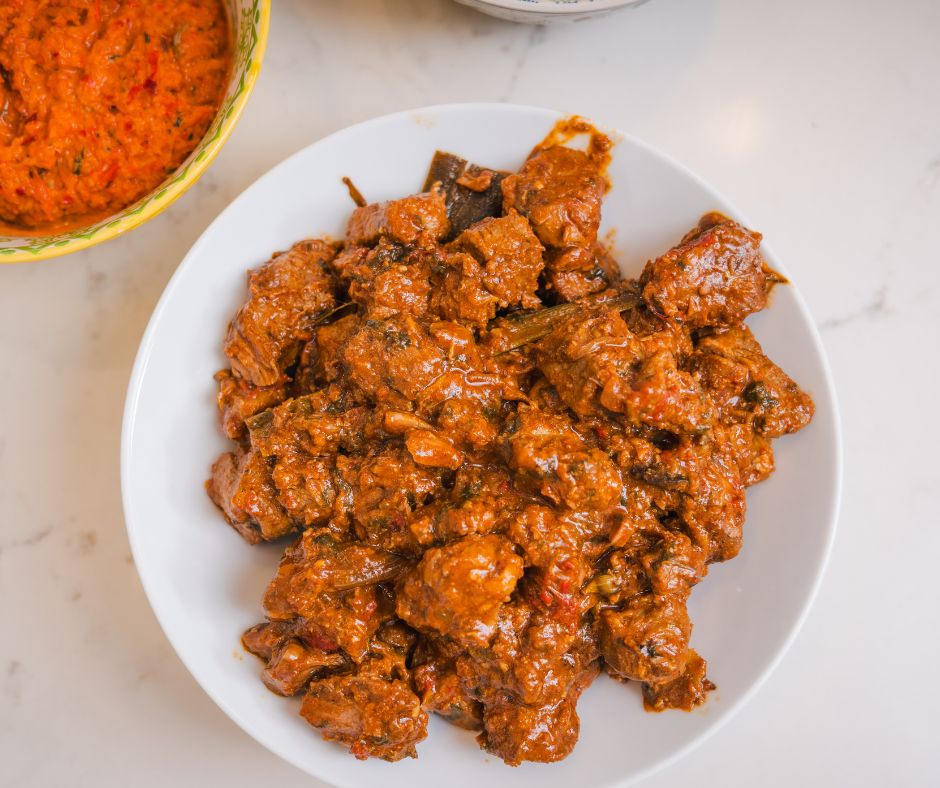
Kari Kulambu masala Lamb/ Potato Curry
Complexity ⭐⭐⭐(Complex)
Recipe
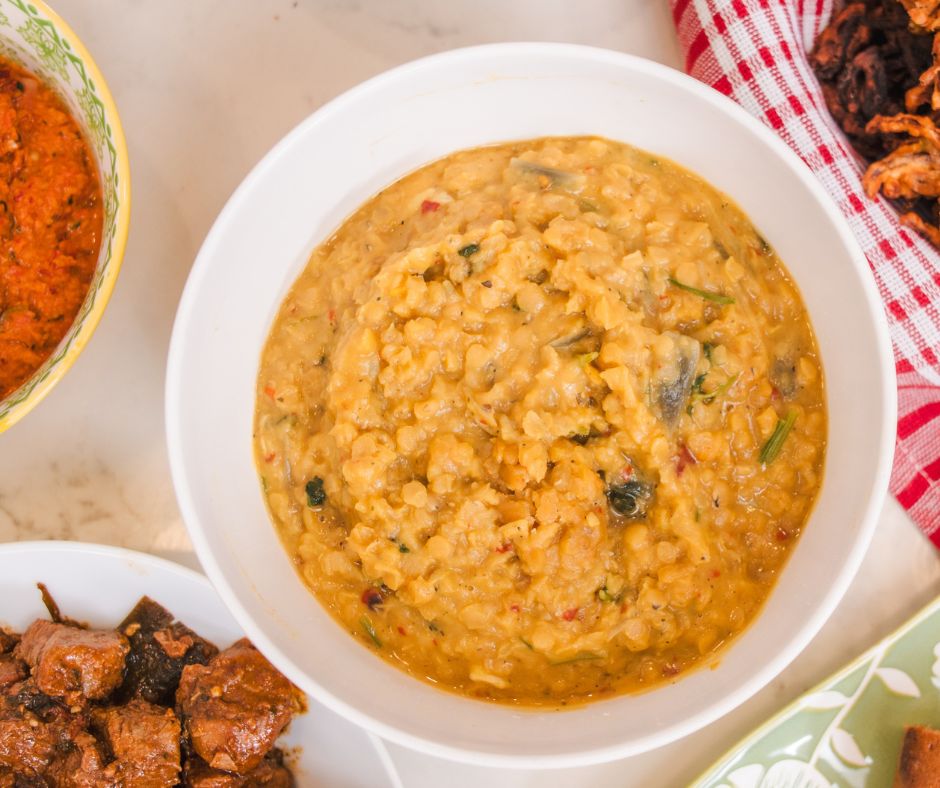
Parippu (Dhal) Curry
Complexity ⭐ ⭐(Medium)
Recipe
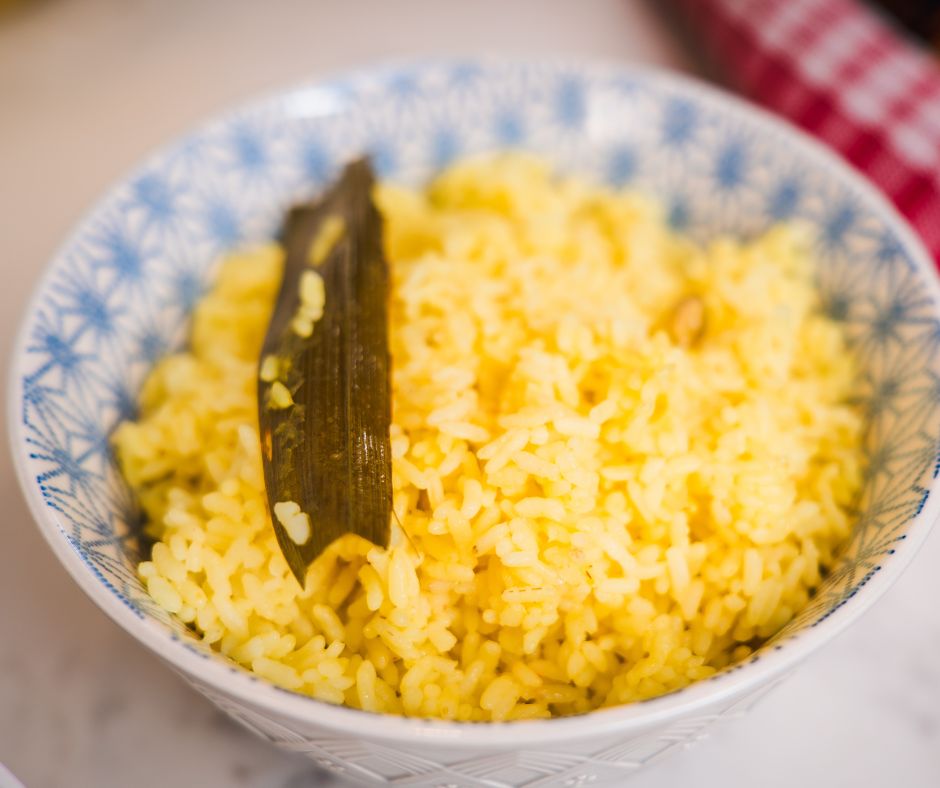
Manjal Soru
Yellow Rice
Complexity ⭐ (Easy)
Recipe
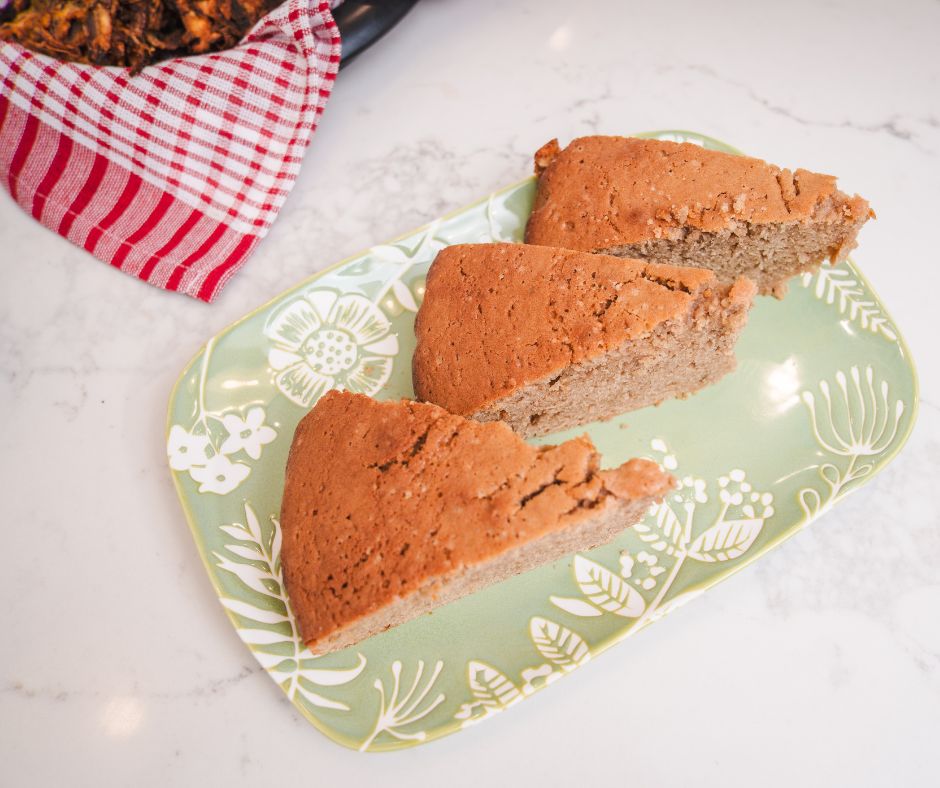
Chai Cake
Complexity ⭐⭐(Medium)
Recipe
About Nige's Recipes
For Feast for Freedom 2026, Nige has selected recipes that are full of the flavour and spirit of his Sri Lankan Tamil heritage.
“The recipes are in my blood,
the taste and the flavor,” he says. After years of eating plain food in detention, Nige cherishes the rich, satisfying nature of his traditional cuisine.
Nige notes that his recipes
are not only delicious but also healthy, incorporating traditional ingredients like cinnamon, cardamom, turmeric, garlic, and onion - which he considers to be like medicine.
His feast is built around a main curry, Kari Kulambu (masala lamb curry or potato curry), which he pairs with Manjal Soru (yellow rice), a traditional Sri Lankan rice dish. To start, Nige chose two essential accompaniments: crispy Vengaya Bajji (onion bhaji), and the vibrant Thengai Sambal (coconut sambal) as a dipping sauce. For dessert, there is a warming chai cake.
Nige believes that a nice meal is deeply satisfying, saying, “My heart is full and my belly is laughing.
“Because I enjoy my food, I want to share it with others, to offer something different, flavourful, tasty and also healthy. I hope everyone will enjoy my food.”