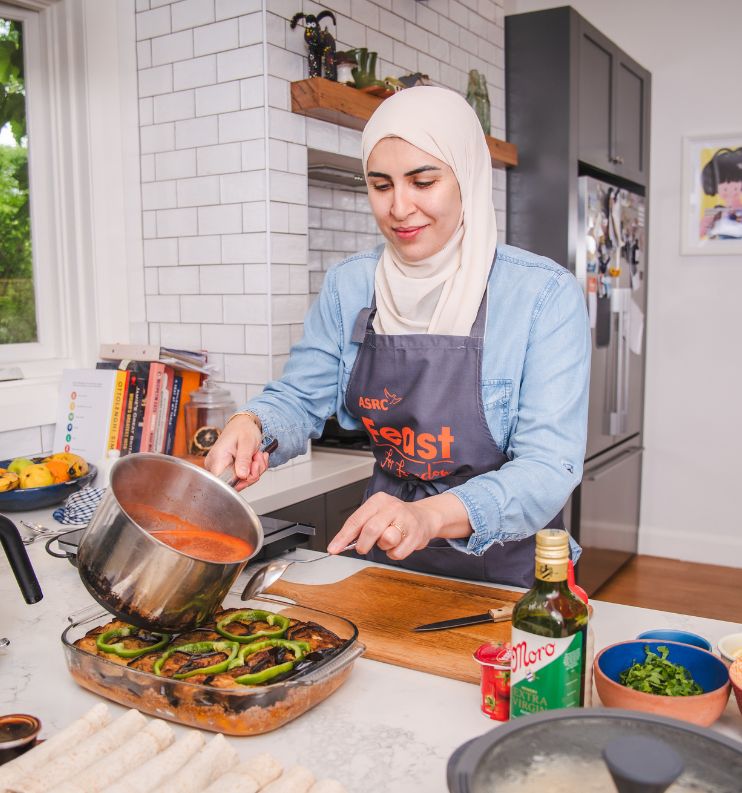
Meet Noha
When Noha Elramlowi and her two daughters arrived in Australia in 2023, just ten days before the conflict began, they carried Gaza with them: the smell of soil after rain, the taste of olive oil and za’atar, and the memory of a crowded kitchen where everyone had a job and a story to tell.
Her family remains in Gaza, and her heart is there too, but here in Melbourne she is building safety and a future for her girls.
One is studying biomedical engineering, the other has just finished Year 12.
Leaving home made Noha even more determined to hold onto her Palestinian heritage for her children. “Maybe when you leave your culture... you hold it,” she says. “Older people like me can hold onto memories, but young people can lose things quickly.” She works hard to keep her language and traditions alive. Food is a powerful link to home. Noha grew up with the flavours of Palestine and the Levant, where dishes are similar across borders but proudly distinct in every home.
She explains that while Palestinian cuisine is rich and full of flavour, it’s rarely what people hear about. “Palestine is more than its struggles,” she says, and she wants its food to tell that story.
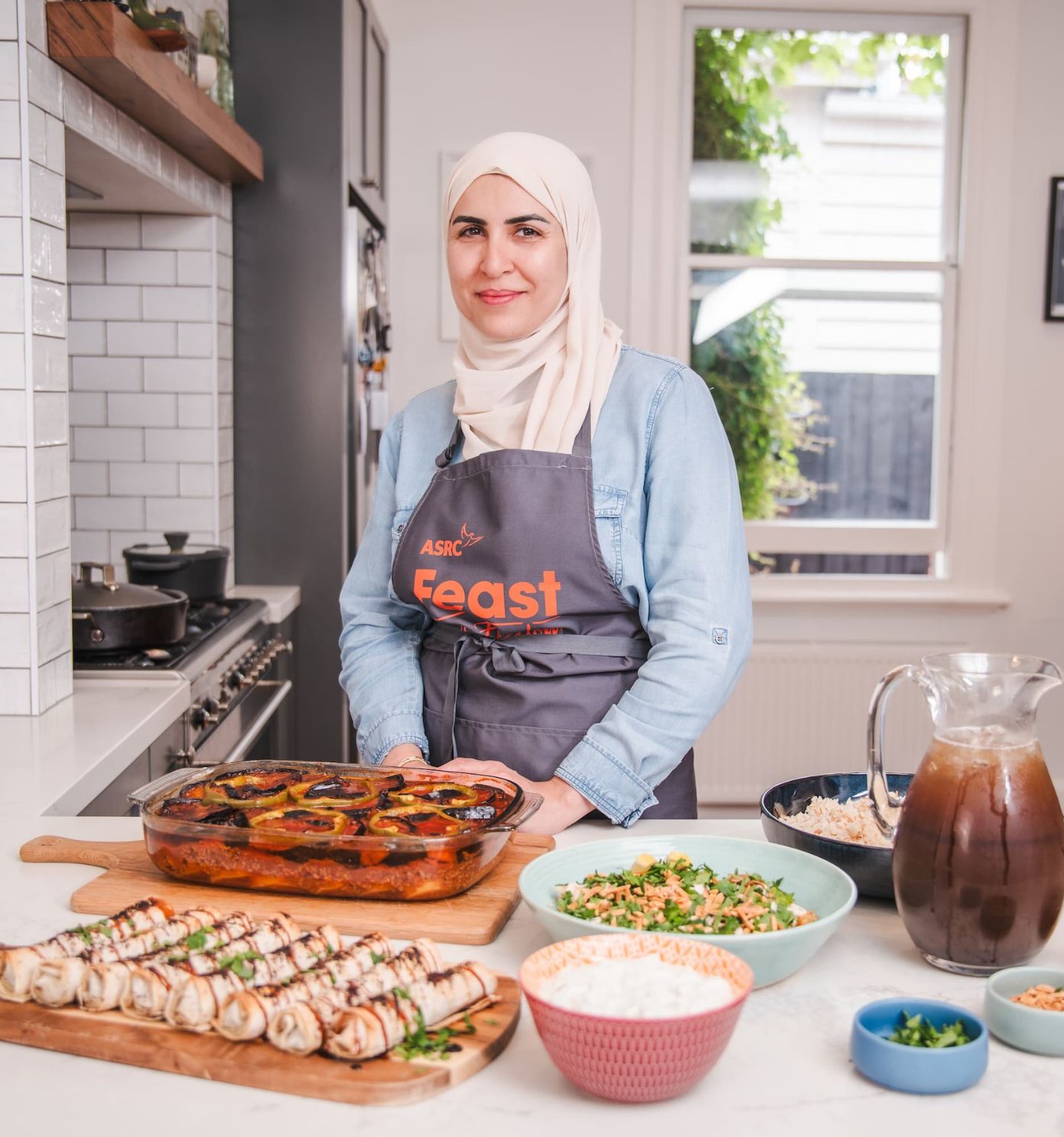
When she cooks, Noha thinks of the flavours that remind her of home: za’atar (a beloved herb and spice mix), sumac (a tangy spice) and the earthy scent of olive oil. She remembers her family’s olive farm in Gaza and the annual harvest, a celebration that brought everyone together.
“What reminds me most of home is olive oil,” Noha says. “Every year at harvest time, we would collect all the olives, take them to be pressed and make the oil to last us the whole year.
It was like a celebration for us.”
Despite the constant uncertainty of life, Noha’s spirit is one of resilience.
She believes that Palestine is “a recipe
of love, tradition and resilience. We make the best of every ingredient life gives us.”
Noha's Recipes
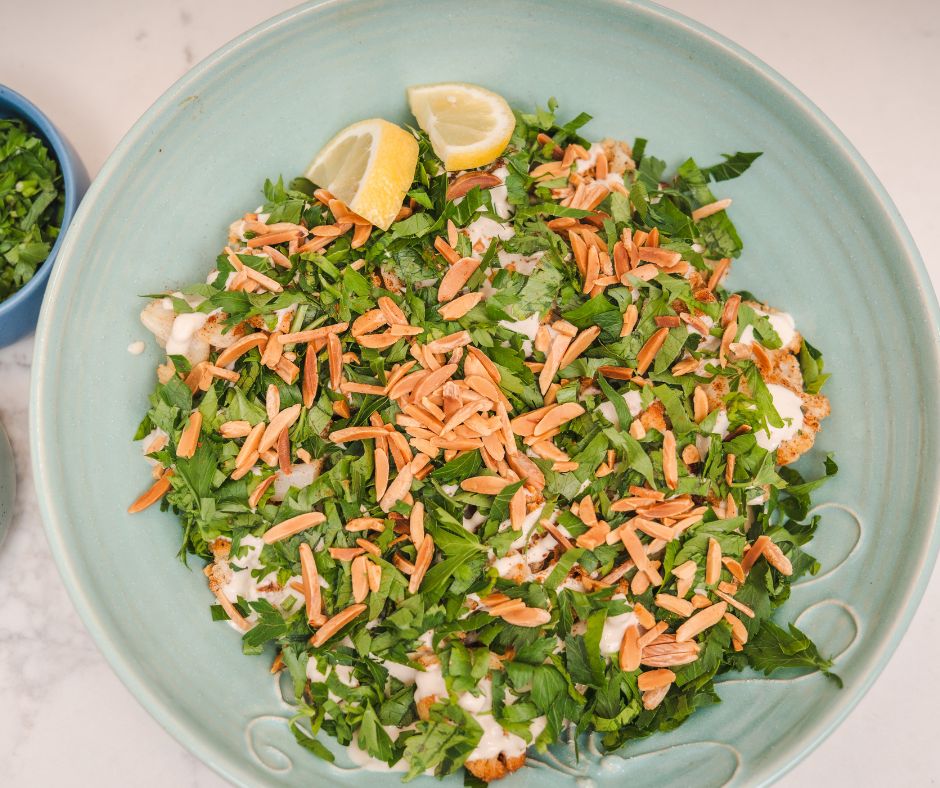
Zahra Bil Tahainye - Cauliflower with tahini
Complexity ⭐ (Easy)
Recipe
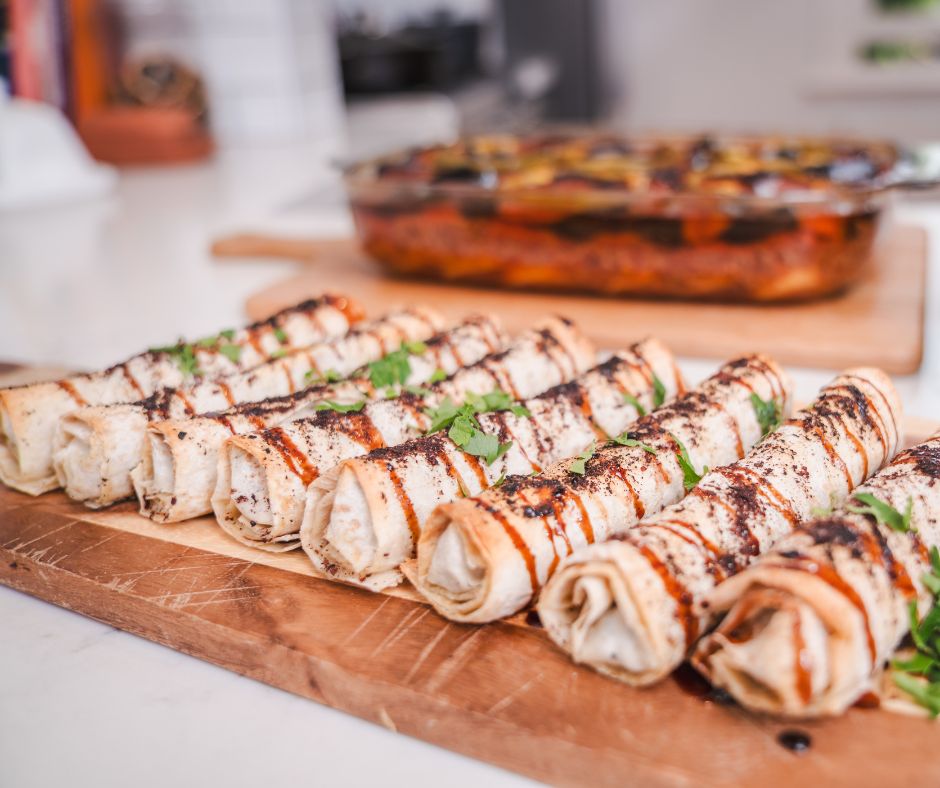
Musakhan Rolls
Complexity ⭐⭐⭐ (Complex)
Recipe
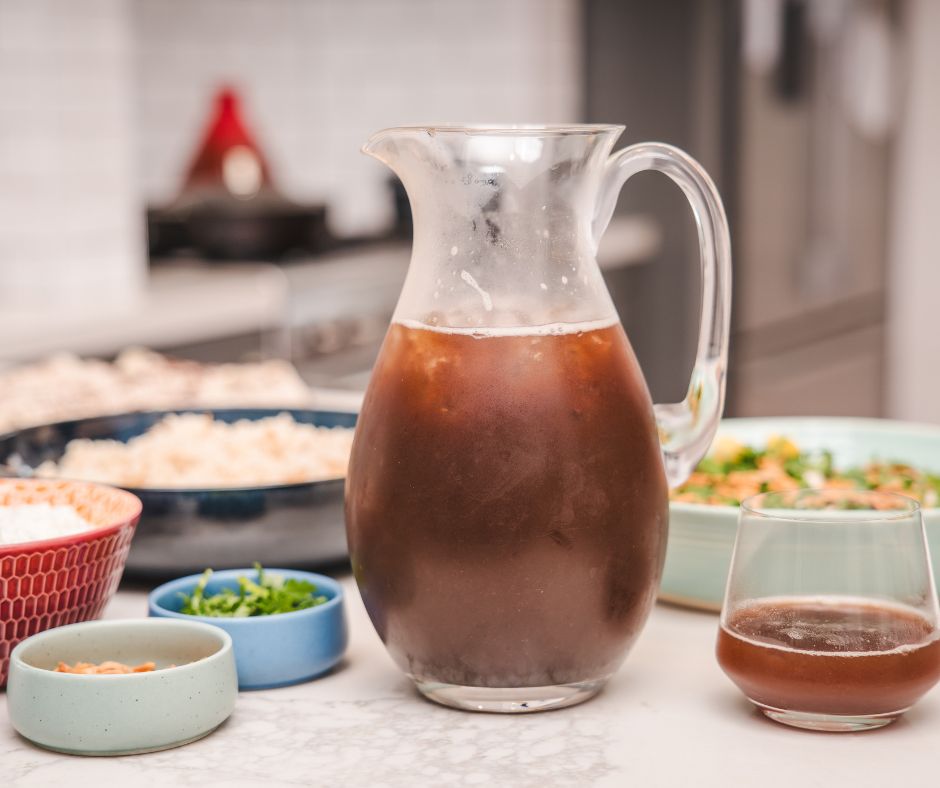
Tamr Hindi -
Tamarind Drink
Complexity ⭐(Easy)
Recipe
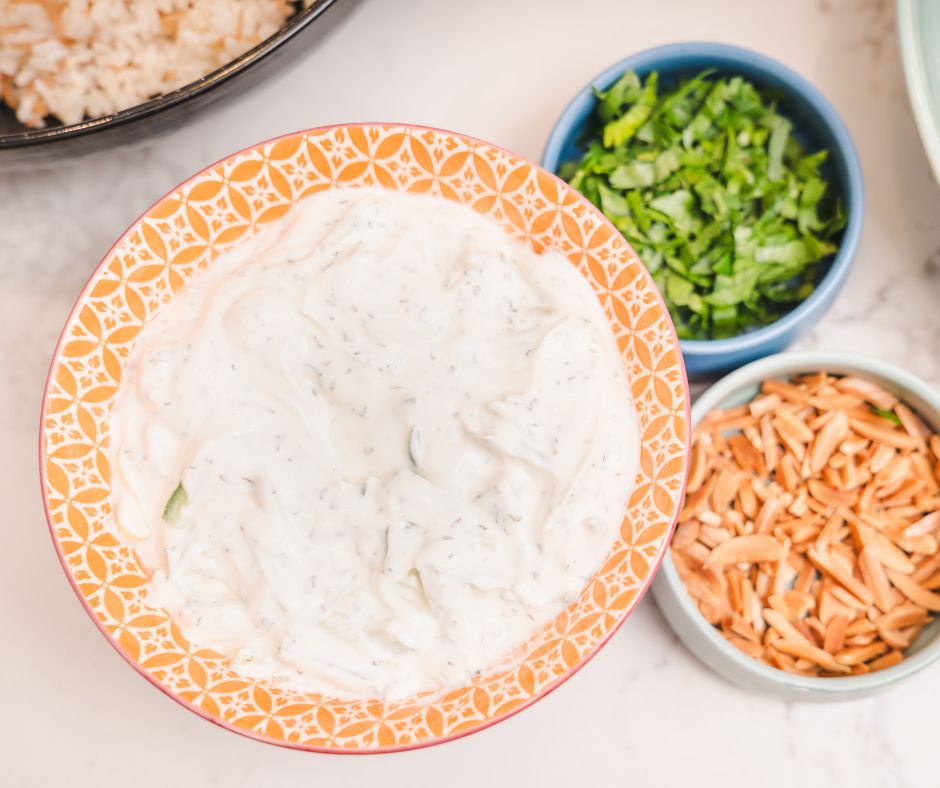
Khyar Bi Laban -
Yogurt Cucumber Dip
Complexity ⭐ (Easy)
Recipe
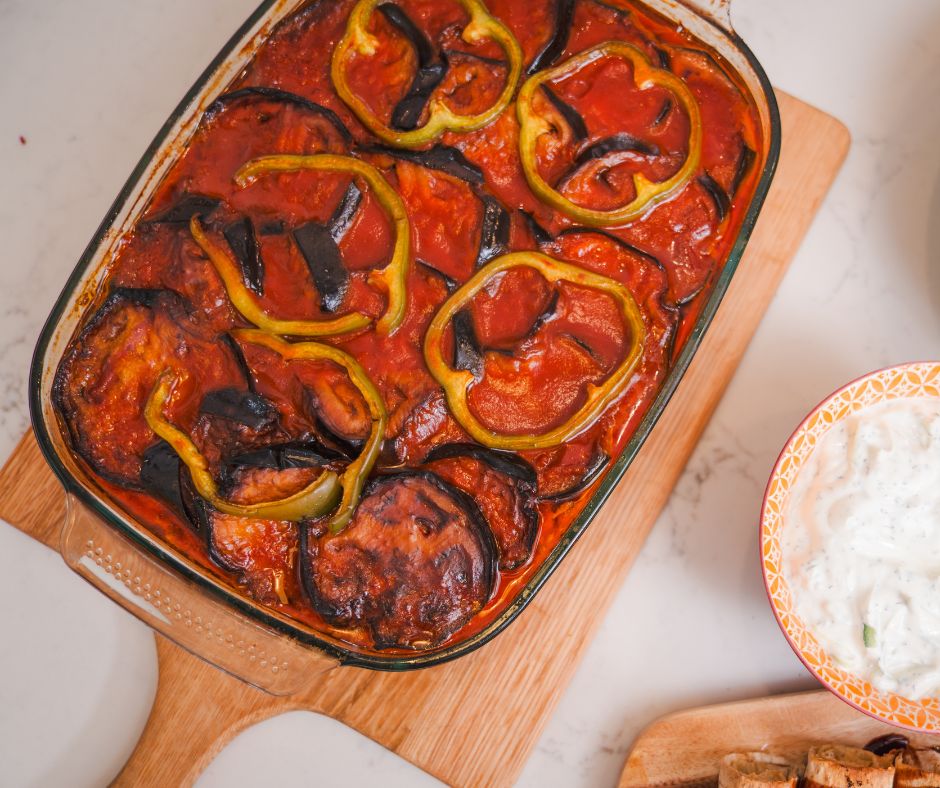
Moussaka Beitinjaan - Eggplant Moussaka
Complexity ⭐⭐ (Medium)
Recipe
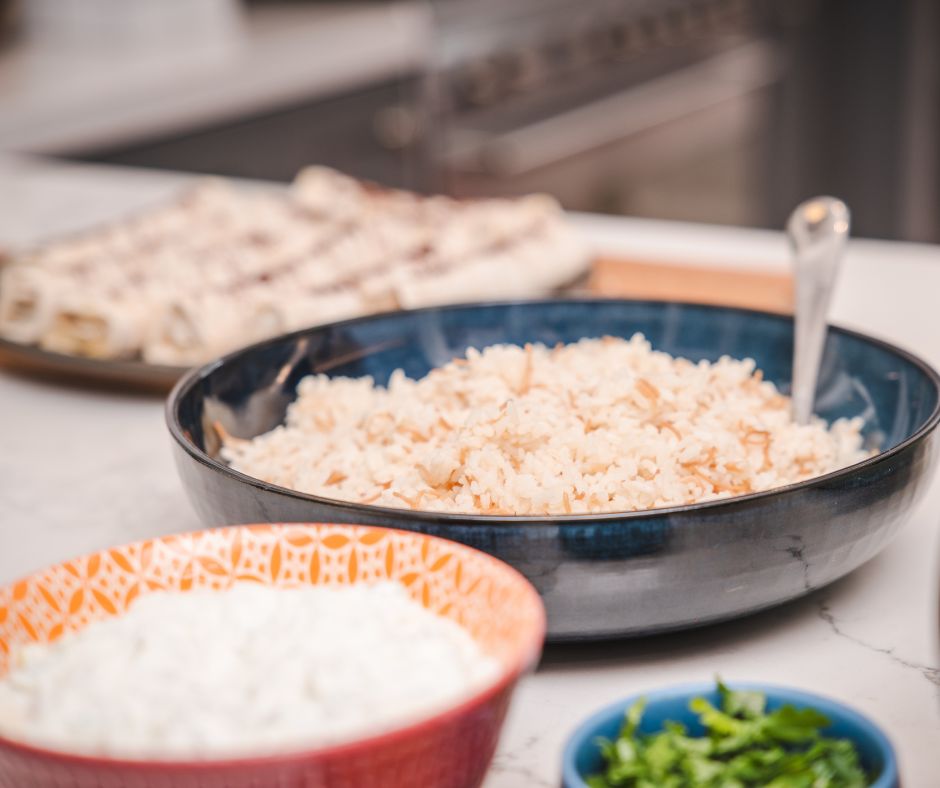
Rice with Vermicelli
Complexity ⭐(Easy)
Recipe
About Noha's Recipes
For Feast for Freedom, Noha has chosen dishes that feel like home and are made to be shared. They centre the flavours she loves most and show the warmth and generosity of Palestinian cooking.
Her selection includes Musakhan Rolls, often considered the national dish of Palestine. “For me, it is the real Palestinian dish,” she says.
She chose a modern, easy-to-eat variation of this traditional meal.
Her feast also features eggplant moussaka, a pan-Mediterranean dish Noha prepares the Palestinian way, and Zahra Bil Tahainye (cauliflower with tahini), a classic vegetarian dish. To complete
the experience, Noha added the popular, sweet-and-tangy tamarind drink and a simple yogurt dip.
Noha is passionate about sharing the vibrant, loving culture of her homeland. She hopes that when people cook her recipes, they will discover a side of Palestine they haven’t seen before.
“I hope they notice something different, something that makes them wonder,‘whereisthis from?’” Noha says. “People only hear about Palestine in the context of war, but Palestine is so much more than that. That’s what I want to show.”